Effects of Mouth Alcohol on a Breath Instrument
by A. Khan (co-op student to S. Biss)
DUI Lawyer & Student Experiment
Purpose:
To study effects of mouth alcohol on a breath instrument.
Apparatus:
Intoxilyzer SD-5
Materials:
Disposable mouthpiece
Fresh Burst Listerine
Procedure:
- Alcohol-free subject blows into
Intoxilyzer SD-5 to be certain that Blood Alcohol Concentration (BAC),
Breath Alcohol Concentration (BRAC), Mouth Alcohol Concentration (MAC) and
Stomach Alcohol Concentration (SAC) readings are all at zero.
- Take a sip of Listerine Mouthwash
swish it around in mouth, gums and discharge of it after cleansing mouth.
Record Time.
- Blow into Intoxlyzer SD-5 at 2
minutes subsequent to the taste of the mouthwash.
- Record result to the trial sheet.
- Repeat steps 2-4 at 5 minutes, 10
minutes.
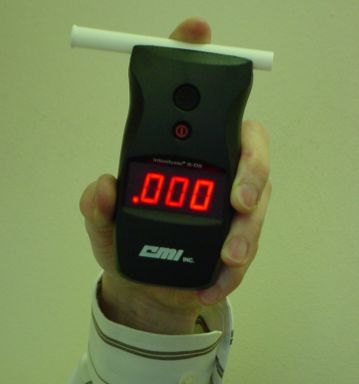 |
Results of Blood Alcohol Concentration (BAC) ratings prior to use of mouthwash. Subject is alcohol free and has no Blood alcohol concentration, Breath alcohol concentration, Mouth alcohol concentration, or Stomach alcohol concentration |
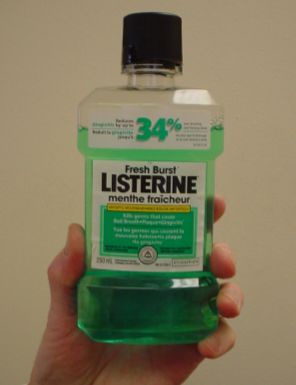 |
Listerine bottle used in Mouth Alcohol Experiment. Contains ethyl alcohol. |
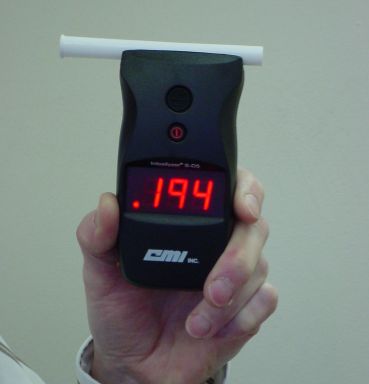 |
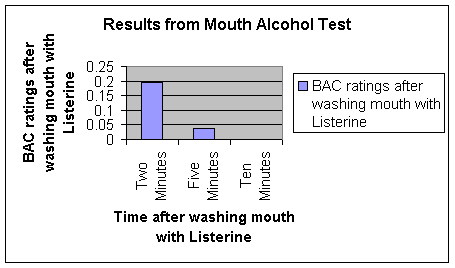
Results of BAC readings after the first test. Subject blows 194 mg/100 mL which is 2 1/2 times the legal limit in Canada. Test taken 2 minutes after Listerine swished in mouth. Subject has consumed no alcohol. Intoxilyzer indicated 194 mg/100mL even though subject has no actual has Blood alcohol concentration or Stomach alcohol concentration |
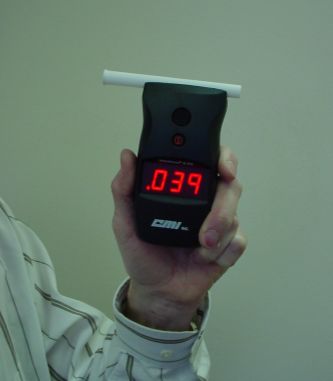 |
Results of BAC readings after the second test. Subject blows 39 mg/100 mL which is half the legal limit in Canada. Test taken 5 minutes after Listerine swished in mouth. Subject has consumed no alcohol.. Intoxilyzer indicated 39 mg/100mL even though subject has no actual has Blood alcohol concentration or Stomach alcohol concentration |
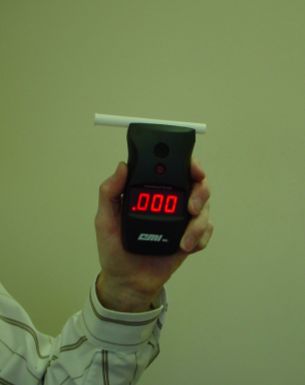 |
Results of BAC readings after the third test. Test taken 10 minutes after Listerine swished in mouth. |
Results for Alcohol Experimentation
Mouth
Alcohol Results
Conclusions:
Through this experiment, it is evident that the effects of Mouth Alcohol do not affect the overall Blood Alcohol Concentration readings on an Intoxilyzer SD-5 unless the subject test is taken shortly after alcohol is placed in the mouth. When undertaking any breath instrument test, the operator should always make sure that the last drink was consumed and no new alcohol was introduced into the mouth 15-20 minutes prior to the test.
It is also evident that recent mouth alcohol can have a profound impact on the readings of the Intoxilyzer SD-5.